Tuesday, July 21, 2026

How many cups of caffeinated coffee are safe and good for you to drink each day?

Highlights:

  • The latest research indicates that consuming up to 400 mg of caffeine/day (equivalent to up to 5, 8-ounce cups of caffeinated coffee per day) is generally safe for most adults and appears to be linked to a lower risk of several cardiovascular conditions, including heart failure, heart disease and stroke in some individuals.
  • However, higher amounts of caffeine, such as levels found in energy drinks including energy shots, may increase the risk of high blood pressure and/or irregular heart rhythm or arrhythmia.
  • More research is needed to better understand caffeine’s impact on the body, how different sources of caffeine impact heart health and how its impact may vary among different people, according to the scientific statement.

Previous studies have found that caffeine is the world’s most popular stimulant and psychoactive sub­stance, and coffee is the most common way people consume caffeine. The latest research supports the conclusion that for most adults, consuming up to 400 mg of caffeine/day (or up to 5, 8-ounce cups of caffeinated coffee per day) is safe and appears to be linked to a lower risk of cardiovascular disease for some individuals. However, higher doses of caffeine, such as levels found in energy drinks including energy shots, may cause cardiovascular harm, according to a new American Heart Association scientific statement, “Caffeine and Cardiovascular Disease,” published today in the American Heart Association’s flagship peer-reviewed scientific journal Circulation.

“Caffeine consumed in coffee is a key part of daily life for millions of people, and in our review of the most recent research, for most adults, intake of up to 400 mg of caffeine/day, the equivalent of up to 5 cups of caffeinated coffee per day without added sugars or fillers, is safe and does not increase cardiovascular risk,” said Chair of the scientific statement volunteer writing group Gregory M. Marcus, M.D., M.A.S., FAHA, a professor of medicine at the University of California, San Francisco School of Medicine and the associate chief of Cardiology for Research at the University of California, San Francisco Health. “However, high doses of caffeine, such as those found in energy drinks including energy shots, may have harmful effects on the heart and should be avoided.”

The statement authors note that studying the effects of caffeine on the cardiovascular system is challenging. Coffee is the main source of caffeine in most research studies, and the observed cardiovascular effects may be due to other compounds in coffee. For example, experimental studies suggest that the bioactive compounds in coffee may have antioxidant and anti-inflammatory properties, which may help explain some health benefits. It’s also difficult to separate the effects of caffeine from other ingredients usually added to coffee, such as milk, cream, flavored syrups and/or sugar. In addition, most studies on caffeine are observational, meaning they cannot prove cause and effect. 

Although coffee is the main source of caffeine for most adults, tea, chocolate, soda and energy drinks, as well as over-the-counter and prescription medications, also contribute to overall caffeine intake. More research is needed about other products with caffeine in order to understand caffeine content and caffeine’s impact on cardiovascular health.

The new scientific statement details the most recent research primarily on caffeinated coffee and the potential impact of caffeine in coffee on high blood pressure, cholesterol, Type 2 diabetes, coronary heart disease, stroke, heart failure, atrial fibrillation, other arrhythmias and other cardiovascular conditions.

Caffeine and cardiovascular health: key things to know

  • Based on the results of the latest research studies reviewed, consuming up to 400 mg of caffeine per day, or no more than 3 to 5, 8-ounce cups of regular black caffeinated coffee per day (without sugars, sweeteners, flavors or added fillers), is considered safe for most adults. A regular brewed, non-specialty, caffeinated coffee typically contains 9.4-20.6 mg of caffeine per fluid ounce.
  • Consuming caffeinated coffee without added sugars, flavors or cream was linked to a lower risk of Type 2 diabetes, heart disease, stroke, heart failure and some irregular heart rhythms.
  • Randomized trials, the most rigorous and reliable type of study design, have shown that caffeine consumption in coffee is associated with a lower risk of atrial fibrillation but also a higher risk of premature ventricular contractions.
  • Adding sugar, flavored syrups, milk and/or cream to coffee likely reduces its potential health benefits, and more research is needed to understand the impact of these additives.
  • Higher caffeine intake, such as levels found in energy drinks including energy shots, was associated with cardiovascular harm, such as increased risk of high blood pressure and irregular heart rhythm. Energy drink shots may contain 40-69 mg of caffeine per fluid ounce, 3-4 times more caffeine than regular caffeinated coffee.

How does caffeine affect the body?

Caffeine consumed in coffee is metabolized by the liver and generally reaches peak concentration for most people within an hour. However, how quickly individuals process caffeine depends on their genetics, metabolism, age and past caffeine use. When more caffeinated coffee is consumed regularly, some people may develop a tolerance to higher levels of caffeine. Other people may feel stronger effects from the same amount of caffeine. Short-term effects of caffeine may include temporary increases in blood pressure, heart rate, blood sugar and alertness. Some people may experience heart palpitations and/or sleep disruption.

Specific health impacts of caffeine:

  • Effects on blood pressure: Studies have found that caffeinated coffee consumption may affect blood pressure differently depending on how much is consumed. In people with optimal blood pressure, drinking 1–3 cups a day was associated with an increased risk of developing high blood pressure, while drinking more than 3 cups per day was associated with a lower risk. High doses of caffeine (such as those from energy drinks or energy shots) can significantly increase blood pressure, especially in people who already have high blood pressure.
  • Effects on Type 2 diabetes: Research suggests that caffeinated coffee may reduce insulin sensitivity in the short term. In addition, drinking black, caffeinated coffee (no additives, flavors or sweeteners) regularly was linked to a lower risk of developing Type 2 diabetes. However, this benefit may be due to compounds in coffee other than caffeine. More research is needed to clarify the impact on Type 2 diabetes of caffeinated coffee vs. various compounds in coffee.
  • Effects on cholesterol: Data from randomized clinical trials indicate cafestol, a component in both caffeinated and decaffeinated coffee, was associated with higher levels of low-density lipoprotein (also known as “bad” cholesterol). Cafestol is present in unfiltered coffee (such as espresso, French press, Turkish coffee or boiled coffee) but not present in coffee brewed with paper filters or instant coffee. More research is needed to understand which products have higher levels of cafestol and their mechanisms.  
  • Effects on heart rhythm: The most recent analyses of health measures with self-reported information from participants have found that drinking 1-3 cups of caffeinated coffee per day was not associated with an increased risk of atrial fibrillation or abnormal heart rhythm. However, caffeinated coffee at that same level may be associated with more early beats from the lower chamber of the heart, called premature ventricular contractions (or PVCs). Very high doses of caffeine (such as those in caffeinated energy drinks or energy shots) have been linked to abnormal heart rhythm in people usually considered to have low cardiovascular disease risk, such as healthy adults younger than age 30.
  • Effects on heart disease and stroke: Drinking 2-4 cups of caffeinated coffee per day was linked to a lower risk of heart disease, heart failure and stroke. However, drinking more than 4 cups of caffeinated coffee a day may increase the risk of heart failure.

Not all sources of caffeine are the same

More research is necessary to investigate the different health impacts of various types of caffeinated coffee and other products with caffeine, such as tea, soda, energy drinks and energy shots, and foods. There have been fewer studies focused on tea vs. coffee; however, tea has been associated with reduced risk of atrial fibrillation, heart failure and stroke, similar to caffeinated coffee. Energy drinks, bars, gels and caffeine-based supplements often contain other added ingredients that may increase the absorption of caffeine, may accelerate its effects on the body, may raise blood pressure and increase the risk of cardiovascular harm.

More randomized controlled trials investigating the effects of caffeine in coffee and other products that have caffeine on cardiovascular health are needed to better understand how caffeine affects different people and how different sources of caffeine impact heart health. The writing group emphasized that there is also a need for research focused on caffeinated energy drinks and other popular products containing caffeine. Due to the lack of sufficient, rigorous data to develop guidance on recommendations for caffeine intake, caffeine was not referenced in the Association’s 2026 Dietary Guidance to Improve Cardiovascular Health

“Although research suggests that caffeine consumption may be associated with certain cardiovascular benefits for some people, it’s important to remember that there is no ‘one-size-fits-all’ strategy for safe caffeine consumption. People can respond very differently to caffeine based on various factors, such as age, medications, underlying health conditions, genetics and how quickly their bodies metabolize it. What may be a reasonable amount for one person could cause unwanted effects, such as heart palpitations, anxiety or sleep disruption, in another. That’s why it’s important to pay attention to how your body responds to caffeine and talk with your healthcare team about what is right for you,” Marcus said.

This scientific statement was prepared by the volunteer writing group on behalf of the American Heart Association’s Council on Lifestyle and Cardiometabolic Health; the Council on Clinical Cardiology; and the Stroke Council. American Heart Association scientific statements promote greater awareness about cardiovascular diseases and stroke issues and help facilitate informed health care decisions. Scientific statements outline what is currently known about a topic and what areas need additional research. While scientific statements inform the development of guidelines, they do not make treatment recommendations. American Heart Association guidelines provide the Association’s official clinical practice recommendations.

Brain development risks associated with certain medications during pregnancy


The medications studied include some statins, antidepressants, anxiety medications and cardiovascular drugs.

Cholesterol is a vital molecule, especially during embryonic development. Disruption of the cholesterol biosynthetic pathway can arise from pathogenic genetic variants or exposure to prescription medications. A study published in Molecular Psychiatry investigated the relationship between fifteen sterol biosynthesis inhibiting medications (SBIM) prescribed during pregnancy and the incidence of autism spectrum disorders (ASD) in the resulting offspring. The study included 6,135,213 children with linked maternal health records.  

The study evaluated the incidence of ASD associated with maternal prescription of aripiprazole, atorvastatin, bupropion, buspirone, fluoxetine, haloperidol, metoprolol, nebivolol, pravastatin, propranolol, rosuvastatin, sertraline, simvastatin, and/or trazodone during pregnancy.  

The study found that exposure to at least one SBIM during pregnancy was associated with a 1.47-fold (95% CI 1.45–1.49) increased risk of an ASD after adjusting for potential confounders. For each additional SBIM co-prescribed, there was a 1.33 (95% CI 1.32–1.34) times increased risk of ASD, reaching 2.33-fold risk when 4 or more SBIMs were prescribed simultaneously. 

Notably, in our dataset, utilization of SBIM medications by pregnant women increased from 4.6% in 2014 to16.8% in 2023. 

In conclusion, SBIMs may be potentially harmful to the developing fetus. Given that these drugs account for over 400 million prescriptions annually in the U.S. these should findings be considered before prescribing SBIM medications during pregnancy.

More than half of U.S. adults now eligible for statins under new guidelines


More than half of U.S. adults ages 30 to 79—about 87.5 million people—are now recommended for statins to prevent cardiovascular disease under newly updated clinical guidelines, according to a study by University of Pittsburgh School of Medicine researchers published today in JAMA.


The new recommendations significantly change how doctors assess cardiovascular risk by looking beyond the next 10 years to a person’s risk over several decades. Even though newer calculators often estimate lower short-term risk than older tools, the guidelines broaden statin eligibility. As a result, an additional 21.5 million Americans are now recommended for statins, bringing the total to 56.6% of adults ages 30 to 79.


In March 2026, the American Heart Association, the American College of Cardiology and others released updated guidelines for managing high cholesterol to help prevent cardiovascular events, including heart attacks and strokes. The recommendations incorporated an updated risk calculator released in 2023 and broadened eligibility by expanding the age range from 40–75 to 30–79 and extending the risk horizon from 10 years to 30 years.


“The shift to a longer view of cardiovascular disease risk is a sea change for doctors in counseling patients,” said Timothy S. Anderson, M.D., M.A.S., a primary care physician, health quality researcher and assistant professor of medicine at Pitt. “We wanted to better understand the potential population-health effect of this shift.”


“Before the new guidelines, people who were flagged with high cholesterol in their 30s and 40s tended to be recommended to focus on diet and exercise and were not recommended medication—unless the patient already had heart disease or other factors that made them particularly high-risk, like diabetes.”


The team analyzed data from 4,366 participants in the National Health and Nutrition Examination Survey, representing about 154.5 million U.S. adults who do not have existing cardiovascular disease, from 2017 to 2023. The analysis focused specifically on primary prevention—reducing risk before a heart attack or stroke occurs—and did not include pregnant individuals in the study sample.


The results showed that age remains a strong predictor of risk. Relatively few—just 11.1%—of adults in their 30s are recommended statins. Eligibility increases steadily over time, with 85% of people in their 60s and most individuals in their 70s—93.5%—qualifying under the new guidelines.


The vast expansion of people recommended for treatment is heavily driven by patients who are generally considered to be at low risk in the shorter term, meaning they are under 3% risk of having a heart attack or stroke within 10 years, but modest risk—over 10%—within 30 years.


Anderson, who was a member of the committee that wrote the new guidelines, acknowledges that they represent a major conceptual shift for patients, too, as they face the question of whether to start a daily medication now to prevent something from happening more than 10 years down the road.


“Many of my younger patients wonder why they can’t put off starting treatment—which is understandable, given they might have low risk of a cardiovascular event 10 years out—and some likely can with a strong focus on healthy diet, exercise and weight. But for patients seeking to fully minimize risks of heart attacks and strokes, early statin therapy may be a good choice.”


Anderson adds that the biology of cardiovascular disease is an evolving story.


“Observational evidence suggests the longer people are exposed to high levels of inflammatory cholesterol molecules, the greater their downstream risks of heart attacks and strokes are. Unfortunately, we do not have randomized clinical trials for low-risk people 30 years out that would directly support this new understanding of how risk builds more gradually over the years—because such trials are expensive, and we need to wait decades for the answer,” he said.


“Ultimately, in this grey zone, patients should talk to doctors. This is a preference-based decision that should take into account the potential for modest cardiovascular risk reduction alongside the potential for adverse drug events, costs and patient preferences.”


Importantly, Anderson stresses, medication is not the only tool in the toolkit for cardiovascular disease prevention. “It's certainly very reasonable that many people will talk about this with their doctor and say, ‘Okay, what can I do that does not involve medication?’” Physicians have long recommended lifestyle changes like healthy diet, exercise and smoking cessation to all their patients, regardless of whether they have high cholesterol—and will continue to do so.


Saturday, July 18, 2026

Heavy TV watching associated with smaller brain structures,


Reduced volume was found in areas of the brain connected to memory formation, indicating a potential link between TV watching and higher dementia risk


Turn off that TV, it’ll rot your brain!” has been a household refrain for decades. While “rot” might be too strong a term, researchers are finding that the overall sentiment could have some merit.

A study published recently in Alzheimer’s and Dementia: Journal of the Alzheimer’s Association revealed that those who reported watching TV “very often” in midlife later exhibited reduced volume in areas of the brain associated with memory, smaller frontal and occipital lobes, and areas of damage in the brain’s white matter that are associated with aging, stroke risk, cognitive decline and dementia. 

“For years we’ve focused on how much people sit. Our findings suggest we should also pay attention to what they’re doing while they’re sitting,” says David Raichlen, professor of biological sciences and anthropology at the USC Dornsife College of Letters, Arts and Sciences and a senior author of the study. 

The findings weren’t just due to TV viewing’s sedentary nature. The study found that other types of sedentary activities did not have the same associations, indicating that what one does while sitting may matter much more than previously thought.

Watching changes

The researchers analyzed data from about 1,700 adults, average age 53, who enrolled in the Atherosclerosis Risk in Communities (ARIC) Study between 1987 and 1989. ARIC is a long-running study of the U.S. population designed to investigate cardiovascular and brain health. 

Participants were asked how frequently, on a scale ranging from “never/seldom” to “very often,” they watched television during their leisure time and how much of their workday they spent sitting.

More than two decades later, participants underwent brain MRI. Compared with people who reported “never” or “seldom” watching TV, those who watched TV “very often” showed widespread structural differences across the brain.

The researchers found smaller volumes in areas associated with early signs of Alzheimer’s disease and more white matter hyperintensity volumes, an indicator of cerebral small blood vessel disease associated with cognitive decline and dementia. These participants also had smaller occipital and frontal lobes, regions associated with visual processing and executive functioning.

Differences persisted even when the researchers controlled for factors such as physical activity, diabetes, body mass index, smoking, and alcohol use.

Of note, the researchers relied on self-reported data for TV consumption, which can be less precise than timed tracking. Study participants also did not undergo a baseline MRI. Future research could begin with a baseline MRI to more concretely demonstrate changes over time.

Not all sitting is made the same

Strikingly, the sedentary element of TV watching didn’t appear to be the main driver for these changes.

Those who reported high amounts of sitting at work actually had larger frontal and occipital lobes, as well as reduced white matter hyperintensity volumes, indicating better brain health than among those who sit to watch TV. This could be due to the intellectually stimulating nature of many sit-down jobs, say the study authors. 

Men appeared to be particularly vulnerable to these changes. When the MRI scans were separated by sex, researchers found that most of the changes to the brain, both from TV watching and occupational sitting, were seen in men.

Such findings indicate there is still more research to be done on this complex topic. However, we might eventually see a different approach to health guidance around sedentary activities. Rather than just directing their patients to move more, for example, physicians might recommend they reduce television time and add cognitively engaging activities for when they do sit.  

“We frequently encourage the public not to spend too much time sitting down, but experts may want to expand that recommendation to encompass the activities done while sitting, since those seems to have distinct impacts on brain health,” says study corresponding author Natan Feter, postdoctoral scholar in the Human and Evolutionary Biology program at USC Dornsife. 


Common diet tips about water intake and spicy foods could be wrong

  The common rationale for drinking water at meals is that it physically stretches the stomach, triggering fullness so you don’t eat too much. 

But a new Cornell study found no support for that idea in practice. 

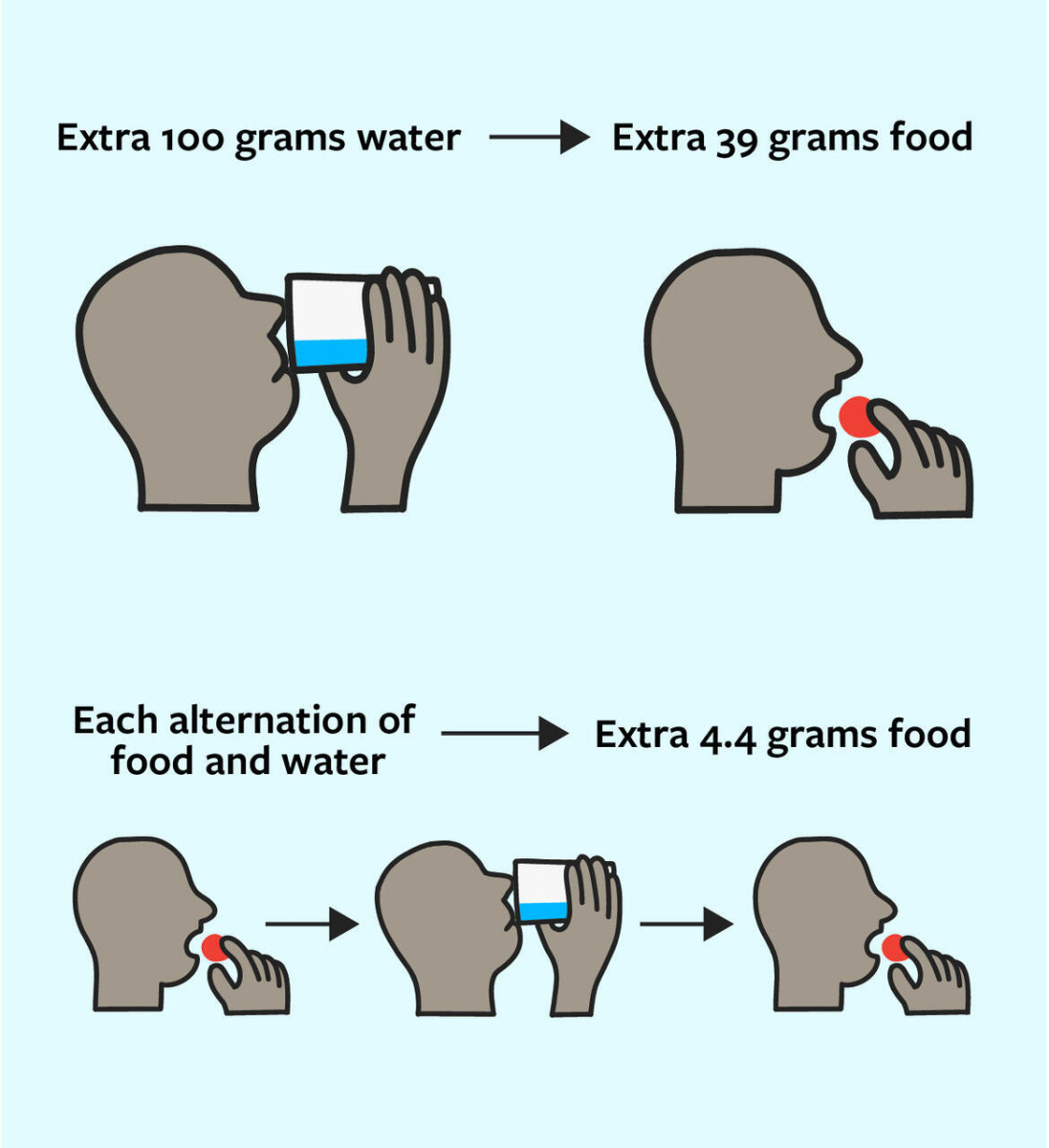
Instead, for every additional 100 grams of water participants drank, they ate about 39 more grams of food – roughly 49 more calories. People who frequently switched back and forth between bites of food and sips of water ate even more: each additional switch was tied to about 4.4 more grams of food consumed.

Researchers suspect this “switching” effect works by delaying something called sensory-specific satiety – the way a food’s appeal naturally fades the longer you eat it. Alternating with water may reintroduce contrast that keeps the meal appealing longer, delaying the point at which people stop eating.

, Click to open gallery view

Credit:Laila Milevski/Cornell University

“There’s been this widespread advice that if we drink water, it fills us up,” said Paige Cunningham, assistant professor in the Division of Nutritional Sciences in the College of Human Ecology. “But water is emptied quickly from the stomach so it likely doesn’t fill us up for long. Instead, water may increase how much we eat, providing lubrication which can speed up eating, and preventing a dry mouth which can prolong enjoyment of the food.”

Cunningham is the corresponding author on the new analysis, published in July in the journal Appetite and conducted with longtime collaborator John Hayes of Penn State’s Department of Food Science. In a second related study, the researchers measured the effect of spicy salsa on eating volume – and again found a surprising result.

“Both studies show how mealtime behaviors and food properties can significantly influence how much we eat, without us even realizing. We found that just drinking more water was associated with greater consumption, while adding a bit more spice to a snack slowed eating and decreased how much participants ate,” said Cunningham.

The drinking water study pooled data from two earlier lab experiments, 86 adults in all, who ate as much as they wanted of a lunch (either beef chili or chicken tikka masala) served with water, while researchers recorded every bite and sip on video.

One result cut against the researchers’ own expectations: Participants who drank water faster during a meal ended up eating less, not more. The paper offers this as a genuine open question rather than a settled explanation, noting it may reflect how long water sits in the mouth, or may simply track with how long a meal lasts overall. 

“This was a secondary analysis looking at associations,” Cunningham said. “We are following up on this right now so we can make those causal inferences.”

In a separate experiment, whose results published April in Food Quality and Preference, 49 adults were served tortilla chips alongside a mild or spicy salsa, once a week for two weeks; only the salsa’s cayenne content changed between conditions. The spicier version cut total snack intake by 28% – not just of the salsa itself, but of the chips too, even though the chips themselves didn’t change.

, Click to open gallery view

Credit:Laila Milevski/Cornell University

Participants ate the spicy snack about 30% more slowly than the mild one, which the researchers suspect drove the decrease: Heat slowed people down, and slower eating meant less eaten overall. Water intake during the snack was unaffected by spice level, which the researchers note rules it out as an explanation for the reduced intake.

“We were interested in whether making the salsa spicy would result in people eating the same amount of chips,” Cunningham said. “And they didn’t. The takeaway is that adding spice to one part of the snack can significantly influence how much people eat overall.”

Read together, the two papers make a case that runs against two different strands of popular nutrition advice at once: that water at meals is a simple ally in eating less, and that spicy food is something to approach with caution if you're watching what you eat. This research showed the opposite might be true: water tracked with eating more, and spice tracked with eating less.

“These strategies might help consumers achieve their goals to reduce energy intake,” Cunningham said. 

Both papers are explicit about their limits: the meals and snacks tested were a narrow set – chili, tikka masala and one chip-and-salsa combination – all eaten in a controlled lab setting, and the researchers caution against assuming the same patterns would hold for very different foods or in everyday, uncontrolled eating.

“We are looking to future experiments that explore what other factors or properties of foods can we leverage to influence behaviors,” Cunningham sai

Friday, July 17, 2026

Many women still confused about perimenopause

Perimenopause is an underrecognized life stage that is often accompanied by complex and fluctuating symptoms. A new study sought to quantify the prevalence of perimenopause uncertainty and identify the primary causes. It found that perimenopause uncertainty is prevalent and largely because of knowledge gaps and barriers to confirmation and care. Results of the study are published online today in Menopause, the journal of The Menopause Society.

Perimenopause is the transitional period leading up to the final menstrual period. Known as a time of considerable hormone changes, it usually begins when women are aged in their mid-40s, although onset can vary widely. It is estimated that approximately two million women begin perimenopause each year in the United States and remain in this phase for roughly 4 to 8 years.

Perimenopause symptoms can significantly affect women’s well-being, with more than half (59%-65%) experiencing hot flashes as well as psychological or urogenital symptoms that can impair daily functioning, diminish quality of life, and reduce work productivity. Despite its prevalence, recognizing perimenopause remains a challenge for both women and clinicians. A key reason is that there is no laboratory test or biomarker to definitively determine the perimenopause stage. Complicating a clear diagnosis is the fact that perimenopause symptoms vary widely and evolve over time. These symptoms also overlap with a wide range of other conditions, including premenstrual syndrome, thyroid disease, and mental health conditions.

Limited public awareness and inconsistent clinical recognition further compound this uncertainty. Many women report little prior knowledge about perimenopause, and clinicians typically receive inadequate training and education on perimenopause and menopause care. In addition, there has been a propagation of misinformation about menopause and symptom management in recent years.

Prior studies have described elements of perimenopause uncertainty, such as confusion about symptoms, misconceptions about the age at which symptoms might occur, and invalidating healthcare encounters, but most were small, focused only on women aged older than 40 years and were rarely US based. In addition, there is no known study to have quantified how common perimenopause uncertainty is, what its common drivers are, and whether those drivers differ across age groups or levels of symptom burden.

In this new study involving more than 7,600 US women aged 35 years and older, researchers sought to estimate the prevalence of perimenopause uncertainty and examine subgroup differences by age and symptom severity. Overall, 34% of participants reported being unsure of their reproductive stage. Uncertainty varied by age and symptom severity, peaking at 42% in those aged 40 to 44 years, and 37% in those with severe symptom burden.

Symptom confusion and attribution were the most common (56%), reflecting difficulties interpreting bodily changes and distinguishing perimenopause from other causes. Knowledge gaps and information-seeking accounted for 28% of responses, highlighting limited health literacy, age-based assumptions, and active searches for evidence. Barriers to confirmation and care (16%) described dismissive healthcare encounters and reluctance to acknowledge perimenopause. Younger women (aged 35-39 y) were more likely to cite knowledge gaps, whereas healthcare barriers peaked in the 40 to 44-year-old age group.

Based on these results, the researchers recommend that clinicians should be more open and flexible to consider the multidimensional symptom profiles of perimenopause and normalize cognitive, emotional, and physical changes that can occur earlier rather than over-relying on menstrual irregularity as the principal indicator. Although cycle irregularity is characteristic of perimenopause, many women have symptoms before they experience significant cycle changes.

Survey results are published in the article “Exploring prevalence and drivers of perimenopause uncertainty among US Women: a mixed-methods study.

“This large study showed that one in three US women aged older than 35 years are not sure whether they are in perimenopause. Further, the study highlights that symptom confusion, misconceptions, and barriers to care are leaving many women without the clarity and support they need during the menopause transition. Recognizing perimenopause uncertainty as a common experience can help shift the conversation from searching for a diagnosis to providing women with the information, validation, and support they need to navigate this natural life transition with confidence,” says Dr. Stephanie Faubion, medical director for The Menopause Society and one of the authors of the study.

For more information about menopause and healthy aging, visit www.menopause.org. 

Loneliness strongly linked to poorer mental health and wellbeing


People who feel lonely are much more likely to experience poorer mental health and lower wellbeing, a new collaborative study led by the University of Bristol, Nesta and Amsterdam UMC has found. Loneliness was also found to be linked with worse general health, including experiencing multiple health conditions. Social isolation is associated with lower wellbeing, too.

Loneliness is increasingly recognised as a major public health issue, with growing evidence connecting it to poorer health. However, it is unclear whether loneliness itself contributes to poor health or whether these links are driven by other factors.

The study, in association with the universities of Oxford and Manchester, combined evidence from three different research methods, including observational analysis, sibling comparisons, and Mendelian randomisation, a genetics-based approach, to build a clearer understanding of these relationships.

Using data from the UK Biobank and large-scale genome-wide association studies, the researchers investigated how both loneliness - the quality of a person's social relationships; and social isolation - the number of social connections, relate to health and wellbeing. The study is published in Nature Communications today [15 July].

The research team found that loneliness and social isolation are linked to poorer mental health and reduced wellbeing, with loneliness also associated with worse general health. While the study found no clear evidence of effects on specific physical health conditions, these potential impacts cannot be ruled out.

The findings suggest that loneliness, and potentially social isolation, remain important public health issues, particularly because of their links with mental health, wellbeing and overall health.

As loneliness becomes an increasingly important public health challenge, tackling it could bring benefits for both individuals and society.

Dr Zoe Reed, Research Fellow in the School of Psychology and Neuroscience at the University of Bristol, and corresponding author, said: “Our findings suggest that loneliness, and possibly social isolation, are still important public health concerns, especially for mental health and general health. Supporting people who feel lonely or socially isolated could help improve mental health, wellbeing and overall health.”

Lauren Bowes Byatt, Director of Nesta’s healthy life mission, added: “This research underlines that loneliness is likely to have a detrimental impact on our mental health and wellbeing. While this link may seem obvious, the topic has long been understudied. Studies like this can help to bridge this research gap and by understanding how loneliness or social isolation may be contributing to ill-health, we can get closer to new and more effective solutions.”

The researchers suggest more research is needed to understand exactly how loneliness and social isolation affect health and to develop the most effective ways to reduce their impact.

As the study focused on middle-aged and older adults, future studies should explore whether these patterns are similar in younger people. It will also be important to investigate the effects of persistent or long-term loneliness, as the study measured loneliness at a single point in time.

The paper’s findings add to growing evidence that loneliness and social isolation are not just social issues, they are important public health concerns with wide-ranging implications for wellbeing and mental and physical health. The research reinforces the importance of addressing these issues as part of public health policy and practice.

Thursday, July 16, 2026

Dementia risk may be reduced through diet

 Natural plant compounds known as polyphenols, found in berries, tea, cocoa, coffee, and extra virgin olive oil, may positively influence biological processes linked to Alzheimer’s disease and other disorders characterized by the gradual loss of nerve cells, according to a review by researchers at Semmelweis University. The analysis, published in Nutrients, suggests that these bioactive compounds may contribute to healthy brain aging.

Researchers at Semmelweis University reviewed the findings of hundreds of previous laboratory, animal, population-based, and clinical studies. The studies reviewed suggest that polyphenols may support nerve cell function through their antioxidant and anti-inflammatory properties while helping counteract harmful processes associated with brain aging. 

Particular attention has been paid to the Mediterranean diet, which is rich in vegetables, fruits, legumes, whole grains, fish, and olive oil, as well as the MIND diet, which is based on Mediterranean dietary principles. The MIND diet was specifically developed to support brain health by emphasizing leafy green vegetables and berries while limiting the consumption of red meat, butter, cheese, sweets, and fried and fast foods.

Among the compounds frequently examined in the reviewed studies were EGCG, one of the main antioxidants found in green tea; the pigments responsible for the color of berries; flavanols found in cocoa; and curcumin, the compound that gives turmeric its characteristic yellow color. These compounds are commonly found in plant-based diets, including the Mediterranean diet. 

“Polyphenols are not miracle cures, but research suggests they may be promising tools for supporting healthy brain aging. The focus, however, should not be on dietary supplements but on a varied diet rich in plant-based foods,” said Dr. Mónika Fekete, Assistant Professor at the Institute of Preventive Medicine and Public Health of Semmelweis University and senior author of the study. 

A substantial proportion of polyphenols is not absorbed directly. Instead, they are transformed by bacteria living in the gut into compounds that may influence inflammatory processes, cellular energy metabolism, and, through these mechanisms, nervous system function. Because the composition of the gut microbiome varies considerably from person to person, the same foods may not produce identical biological effects in everyone.

“This may help explain why the same diet does not affect everyone in the same way. In the future, personalized nutrition could help us better understand who is most likely to benefit from a polyphenol-rich diet,” said Dr. Noémi Mózes, Assistant Professor at the Institute of Preventive Medicine and Public Health of Semmelweis University and first author of the study. 

According to the World Health Organization (WHO), more than 55 million people worldwide are living with dementia, and that number is expected to rise in the coming decades. Dementia is one of the most significant health challenges associated with aging, which is why growing attention is being paid to lifestyle factors – including diet – that may help maintain brain health and reduce the risk of cognitive decline.

The researchers emphasize that despite encouraging findings from human studies, there is currently insufficient evidence to recommend any single food or nutrient as a stand-alone strategy for preventing dementia.
According to the authors, healthy brain aging depends not on any one “superfood” but on long-term eating habits. In other words, there is currently no miracle diet that can prevent Alzheimer’s disease. However, existing evidence suggests that regularly eating more vegetables, fruits, berries, fiber-rich foods, fish, and nuts while limiting highly processed foods may help support healthy brain aging and preserve cognitive function over time.  

Nature’s Hidden Bioactive Compounds
Bioactive compounds, including polyphenols, are naturally occurring substances found in plants, animals, and microorganisms. Although they are not considered essential nutrients like vitamins or minerals, their biological activity may help support normal bodily functions and overall health.

Wednesday, July 15, 2026

Eating an avocado a day lowers heart disease risk factor for people with obesity


 Eating an avocado every day may decrease heart disease risk in adults with obesity, according to a recent study led by researchers in the Penn State Department of Nutritional Sciences and published in the Journal of Clinical Lipidology.


The team found that regular avocado consumption was associated with a reduced concentration of low-density lipoprotein (LDL) particles — proteins that transport cholesterol through the body — in the blood by an amount that corresponds to an approximate 4% reduction in heart disease risk.

“If people want to improve the quality of their diet, making one small change might be a more feasible strategy than attempting to change their entire diet,” said Janhavi Damani, postdoctoral scholar at Penn State and first author of the study. “For people with obesity, including avocados in their daily diet might be a good starting place.”

LDL particles are a separate risk factor for heart disease from LDL cholesterol — the so-called “bad cholesterol” that is a significant risk for heart disease. The risk posed by LDL particles is typically higher in people with abdominal obesity, the researchers said.

LDL cholesterol must be transported through the body by a protein particle. When there are more protein particles carrying LDL, this increases the risk for heart disease, even if the amount of cholesterol remains the same.

“Imagine two people with the same high levels of LDL cholesterol,” Damani said. “Person A carries their cholesterol in fewer, larger LDL particles, and Person B carries their cholesterol in more, smaller LDL particles. Person B’s heart disease risk would be higher because their overall particle count is higher even though a test of their LDL cholesterol would look identical.”

These small particles can more easily penetrate artery walls and contribute to build-up on artery walls known as plaque, Damani explained. Plaque contributes to heart disease risk by restricting the amount of blood that can fit through a blood vessel and reducing the blood vessel’s flexibility. This means that when a person’s heart is working the hardest — due to exertion, heat, stress or any reason — their blood pressure will increase more because the blood vessel is unable to compensate for the increased load, which can trigger a cardiac event like a heart attack.

In this study, the researchers analyzed data originally collected from 786 participants in the Habitual Diet and Avocado Trial, a six-month study of adults 25 years and older. Men were eligible for the study if they had a waist circumference greater than 40 inches, and women were eligible if they had a waist circumference greater than 35 inches.

Half of the participants were instructed to maintain their normal diet and activity. The other half were provided with one avocado to consume each day and were instructed to maintain their normal diet and activity.

Researchers in the Habitual Diet and Avocado Trial found that adding avocado to the diets of people with obesity did not change weight or waist circumference, but that it could reduce levels of LDL cholesterol.

In the current study, the researchers compared blood samples taken at the beginning and end of the study. Over the course of the study, levels of LDL particles in the avocado-per-day group decreased by 49 nanomoles per liter, which corresponds to an approximate 4% reduction in heart disease risk, the researchers said.

"Four percent is a modest reduction compared with the 14–29% lower heart disease risk associated with improving the overall diet,” Damani said. “However, it is a step in the right direction."

Additionally, regardless of study participants’ sex, race, ethnicity, age or body mass index, they were equally likely to experience improvement in the LDL particle levels. This indicates that anyone with obesity could benefit from avocado consumption, the researchers explained, with the added caution that people should speak to a registered dietitian nutritionist or their physician for personalized, expert guidance on improving their diets.

“Penn State researchers demonstrated several years ago that avocado consumption could reduce LDL cholesterol and levels of LDL particles,” said Kristina Petersen, associate professor of nutritional sciences and senior author of this study. “But in that study, the researchers controlled participants’ entire diets throughout the experiment. This study demonstrated benefits in the real world, where people’s diets are much less predictable. In the course of people’s normal lives, avocado consumption still contributes to a healthier diet.”

Penny Kris Etherton, retired Evan Pugh University Professor of Nutritional Sciences at Penn State, also contributed to this research.

Other co-authors of the study include Nirupa Matthan of the Jean Mayer USDA Human Nutrition Research Center on Aging at Tufts University; Zhaoping Li of the David Geffen School of Medicine at University of California, Los Angeles; Joan Sabaté of the School of Public Health at Loma Linda University; and David Reboussin of the Wake Forest University School of Medicine.

The Avocado Nutrition Center supported this research.

Tuesday, July 14, 2026

Night owls are at greater risk of poor metabolic health

Whether you are an early bird or a night owl, your sleep patterns can tell a lot about a person’s eating habits and subsequently the potential health risks.

Professor Rozanne Kruger from Griffith University’s School of Allied Health, Sport and Social Work studied 287 European and Pacific New Zealand women aged between 18-45 years and assessed if they were morning chronotypes (early bird) or an evening chronotype (night owl).

“Chronotypes influences our preferences for food intake, our behaviours and our metabolism,” Professor Kruger said.

“Both Morning-types and Evening-types consumed similar amounts of food or energy across the day, but it was the timing of eating that was crucial.”

Evening-types consumed less food between 3am and 9:59am but more food between 8pm and 2:59am, while the opposite was true for Morning-types.

Night owls were more likely to consume lower energy and protein intakes in the morning, and ate foods that were high in energy, carbohydrates and fats late at night.

This Evening-type eating and sleeping pattern was associated with greater body fat percentage, belly fat, and higher blood sugar and lipids.

Consuming food at night, when we are supposed to be fasting and sleeping, means we store more food rather than use it, which may increase susceptibility to obesity and cause worse health outcomes.

Women who naturally preferred a later bedtime and wake time were also more likely to have a higher Body Mass Index and Body Fat percentage, poorer lipid profiles, and less favourable indicators of glucose regulation than Morning-types.

“The research highlights that when people eat may be just as important as what they eat,” Professor Kruger said.

“Targeting meal timing, particularly reducing late-night eating, could be an important strategy for improving health amongst people with an evening chronotype.

“It reinforces the role of chrononutrition and the role it plays in obesity and metabolic disease prevention.”

The paper ‘Chronotype and associations with dietary intake, meal timing, body composition, and metabolic biomarkers’ has been published in Frontiers in Nutrition.

10.3389/fnut.2026.1862060 

Muscles matter for diabetes risk

 A major new international study led by Curtin University, has found diabetes risk is about more than just body weight or obesity, revealing muscle health also likely plays a big role in whether people will develop the condition.


Published in one of the world’s leading diabetes journals, Diabetes Care, the study saw researchers from the Curtin School of Population Health and Dementia Centre of Excellence at the Curtin enAble Institute analyse health data from nearly 480,000 adults over 14 years - all of whom were diabetes-free at the beginning of the study.


The team found people with both excess body fat and poor muscle health – a condition known as sarcopenic obesity - were more than three-and-a-half times as likely to develop type 2 diabetes than people with healthy body composition.


It also found people with sarcopenic obesity were 19 per cent more likely to develop type 2 diabetes than people with obesity alone and 91 per cent more likely to develop type 2 diabetes than people with low muscle mass and strength (sarcopenia) alone.


Lead author and PhD candidate Zhongyang Guan said the findings challenge the common perception diabetes risk is primarily driven by body weight.


"Most people know carrying excess weight can increase the risk of type 2 diabetes, but our findings show muscle health is also an important piece of the puzzle," Mr Guan said.


"People with both excess body fat and low muscle mass had a substantially higher risk of developing type 2 diabetes than those with obesity alone.


"This suggests we need to look beyond the number on the scales when assessing diabetes risk, as maintaining muscle strength and muscle mass may be just as important as managing body weight."


The study found nearly 15 per cent of people with sarcopenic obesity developed type 2 diabetes within 10 years, compared with around 11 per cent of people with obesity alone and just 3 per cent of people without sarcopenia or obesity.


The link was particularly strong among women and adults under the age of 60.


Project senior lead Professor Mario Siervo said the results supported a broader approach to diabetes prevention.


"Healthcare professionals routinely monitor body weight and obesity, but our findings suggest assessing muscle health could help identify people at high risk earlier," Professor Siervo said.


"As populations age and rates of obesity continue to rise, preserving muscle health through regular physical activity and healthy lifestyle habits could play an important role in reducing the burden of type 2 diabetes."


Diabetes WA Clinical Services Manager Jessica Weiss said the findings highlighted the important role muscle plays in controlling blood sugar levels and reflected what health practitioners were seeing firsthand.


"We know our muscles use a lot of our glucose for fuel and working them during physical activity is a great way to help use up glucose from our blood and regulate glucose levels,” Ms Weiss said.


“Physical activity also reduces our body's resistance to insulin, an important element to type 2 diabetes.


“The more muscle we have and the more regularly we use them, the better equipped our body is to prevent or manage type 2 diabetes.”